Exit Boris Johnson
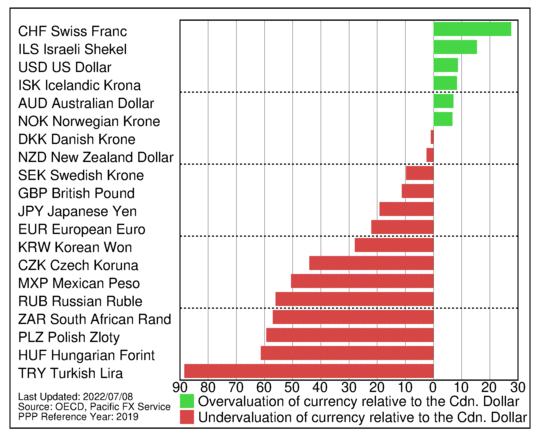
Boris Johnson’s departure from Downing Street 10 seems inevitable, though you never know with Boris. Johnson, of course, was the Prime Minister who campaigned on ‘Get Brexit Done’ and his departure inevitably means a greater rapprochement with the Eurozone. Johnson’s ideology does not bind the new Prime Minister (because of Johnson, there was talk of a hard Brexit). Johnson’s successor will be likelier to listen to lobbying companies advocating a rapprochement with the European Union. Nobody is waiting for a trade war with the EU. This means that an agreement can also be reached on Northern Ireland. Eventually, the UK will have a relationship with the EU similar to Switzerland or Norway (something the Brexiteers do not want, but which was the most likely scenario from the start). This also means that the loss of the pound versus the dollar since the Brexit referendum (-20 percent), and versus the euro (-11 percent) can be made up, now that Johnson has left the field.
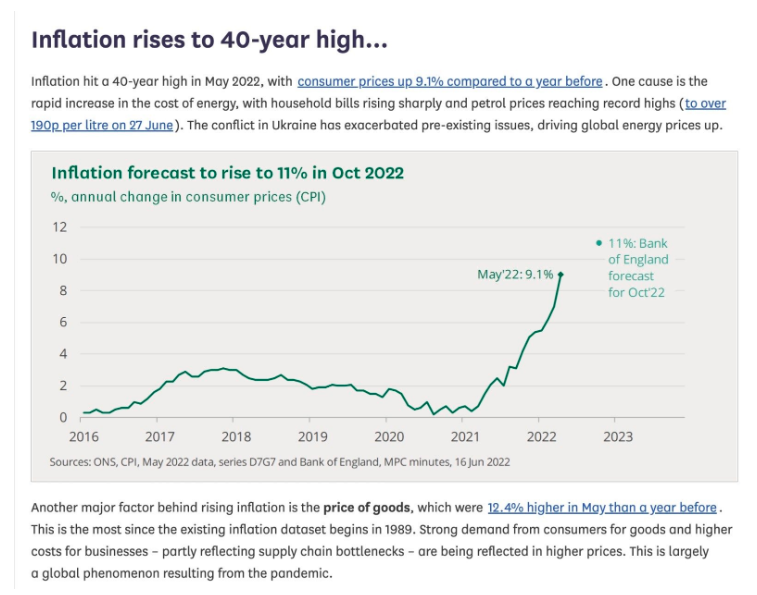
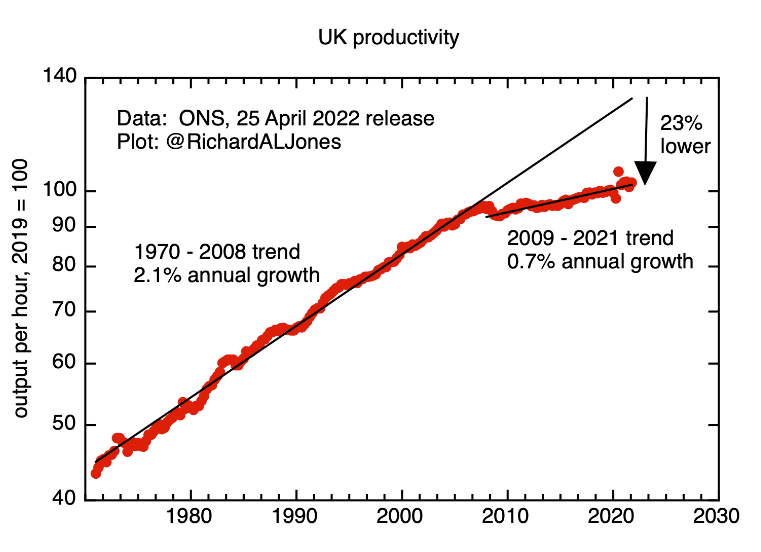
The new Prime Minister will have to try to stabilise the British economy. Now the UK seems to be the textbook case of stagflation, with a stagnant economy and inflation rising to 11% in October this year according to the Bank of England. Expect a more traditional conservative policy. That also means a tighter monetary policy. Taxes may be cut, but UK government spending is likely to be reduced even more. A recession will be accepted as a means to control inflation. Moreover, one can easily refer to Johnson’s mistakes to explain the recession.
Johnson’s departure has increased the likelihood that the Conservatives will win the next election (January 2025). Depending on popularity, it is even possible that the new Prime Minister will call an election sooner.
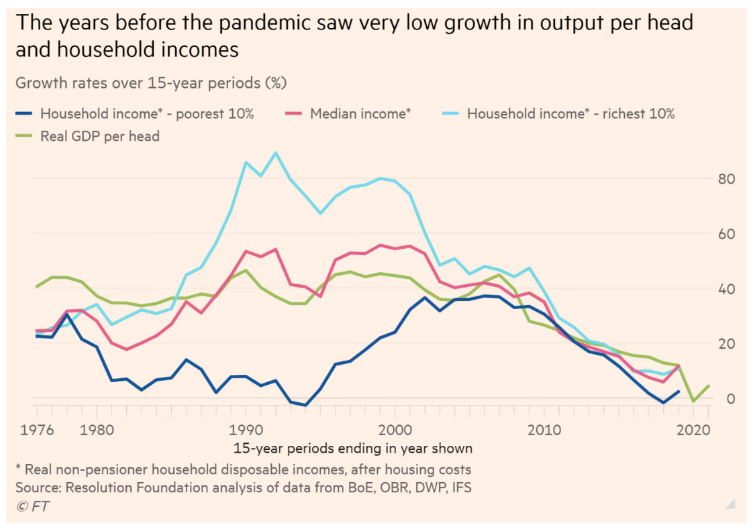
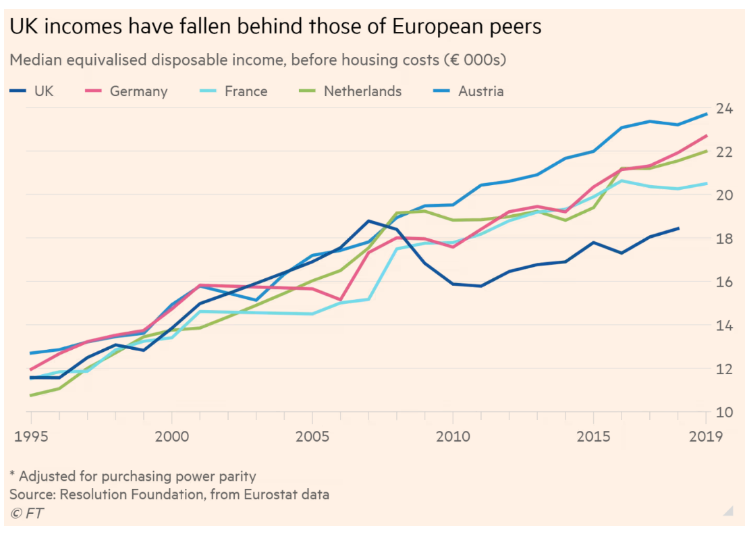
The challenge for the new prime minister is not so much Brexit, but above all finding a solution to the stagnating British economy. Between 2004 and 2019, incomes in the UK rose by 12 percent (the top 11 percent and the bottom 2 percent). By comparison, over the same period incomes rose 34 percent in France, 27 percent in Germany, and 23 percent in the Netherlands. Moreover, the UK has the second most unequal income distribution of any developed country, after the United States.
The favourite successor to Johnson according to the Conservatives is Ben Wallace, but he has indicated that he will not compete for the leadership. Wallace is the finance minister and the only remainder in Johnson’s cabinet. Moreover, he is popular because of his arms support for Ukraine. Nadhim Zahawi is not running either. Rishi Sunak is, and so is Liz Truss. The latter could control both wings of the party. There are also Kemi Badenoch, Tom Tugendhat and Suella Braverman. When selecting the next Prime Minister, MPs may first choose two candidates from the long list. These candidates will then be presented to the 100,000 members of the Conservative Party. The parliamentary process is likely to be completed before the summer recess (21 July).